

The best science and technology news from the world
Provided by AGP
NTA Automated Vehicle Inspection Technology: Faster, Smarter, and More Accurate Than Manual Inspection

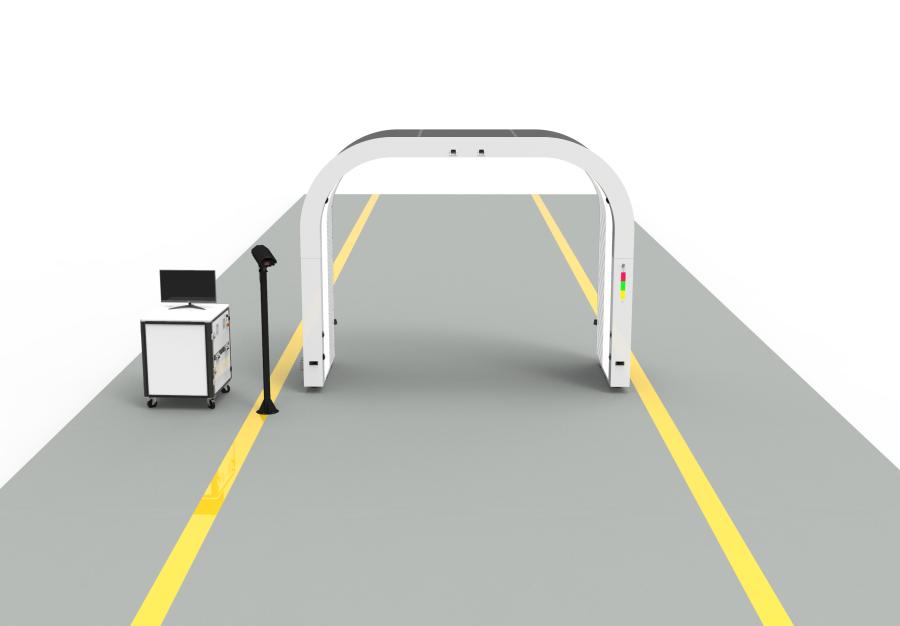
According to information published by NTA under the Elscope Vision brand, the company focuses on AI-powered vehicle inspection technologies covering exterior damage detection, underbody inspection, tire analysis, and vehicle condition assessment. Its solutions are designed for passenger vehicles, commercial fleets, dealerships, PTI centers, auctions, and repair facilities.
The Limitations of Traditional Vehicle Inspection
Manual inspection has long been the standard approach in automotive maintenance and vehicle assessment. However, increasing vehicle complexity and higher operational volumes have exposed several limitations in conventional inspection processes.
Technicians performing visual inspections may overlook minor scratches, underbody corrosion, tire wear, or structural damage, especially in high-throughput environments. Results can also vary between inspectors because assessments rely heavily on individual experience and environmental conditions.
Industry research on computer vision in automotive inspection highlights how lighting variability, image quality, and human interpretation can influence inspection consistency. AI-assisted visual systems are increasingly used to reduce these operational gaps.
For fleet operators and vehicle remarketing businesses, inconsistent inspections can create downstream issues such as disputed damage claims, inaccurate repair estimates, and delays in vehicle turnaround.
How AI Vehicle Inspection Systems Work
Modern AI inspection systems combine machine vision, high-resolution imaging, deep learning algorithms, and automated scanning hardware. Vehicles typically pass through a scanning lane or Arch Scanner system equipped with synchronized cameras and lighting modules.
As the vehicle moves through the inspection area, the system captures thousands of images from multiple angles. AI software then analyzes these images to identify anomalies such as dents, scratches, panel deformation, rust, oil leaks, tire abnormalities, and underbody defects.
NTA states that its systems can support multiple inspection categories within one workflow, including:
Exterior body inspection
Tire and tread analysis
Underbody scanning
Structural damage detection
Vehicle condition documentation
The integration of AI allows inspection data to be standardized and digitally archived, creating traceable inspection histories that can support insurance claims, maintenance records, and resale evaluations.
Why Automated Inspection Is Expanding Across the Automotive Industry
Automotive businesses are facing increasing pressure to improve operational efficiency while reducing inspection errors and labor-intensive workflows. This has accelerated interest in automated vehicle inspection technologies.
Rental companies, logistics fleets, auctions, and dealerships are particularly interested in inspection automation because vehicles move through multiple operational stages within short timeframes. Faster inspections help reduce bottlenecks while improving consistency.
Recent industry developments also show growing adoption of AI-powered inspection systems among mobility companies and service providers.
For example, AI systems can generate inspection reports within seconds, allowing service advisors and operators to review condition data almost immediately after a vehicle enters the inspection lane.
The Growing Role of Hail/PDR Scanner Technology
Another area gaining attention is Hail/PDR Scanner technology. Detecting hail damage and paintless dent repair (PDR) defects manually can be difficult because small dents are often only visible under specific lighting conditions.
AI-powered Hail/PDR Scanner systems use controlled lighting and high-definition imaging to identify subtle surface irregularities across vehicle panels. This helps repair centers and insurance assessors document damage more accurately and consistently.
In practical applications, Hail/PDR Scanner technology may help:
Reduce missed dent detection
Improve repair estimation accuracy
Standardize inspection documentation
Support insurance claim verification
Accelerate vehicle intake procedures
As weather-related vehicle damage continues to affect automotive markets globally, demand for automated dent-detection systems is expected to increase in both insurance and repair sectors.
Underbody Inspection Is Becoming More Important
While exterior inspection receives most attention, underbody analysis is becoming increasingly important in modern vehicle diagnostics.
The vehicle undercarriage contains critical structural and mechanical components, including suspension systems, chassis elements, brake lines, and exhaust assemblies. Damage or corrosion in these areas may not be visible during standard walk-around inspections.
NTA’s underbody inspection systems use AI-supported imaging technology to scan and analyze the chassis area automatically. According to company information, the systems can identify corrosion, fluid leaks, scratches, missing components, and structural abnormalities from a single scan.
This approach differs significantly from traditional manual underbody checks, which often require lifting equipment and longer inspection times.
Discussions among engineering and inspection professionals also highlight the growing interest in more advanced scanning and imaging workflows for undercarriage analysis, particularly for remote assessment and fleet operations.
AI Inspection and Data Traceability
One of the major advantages of automated inspection systems is data traceability.
Traditional inspections are often documented with handwritten notes or limited photographs. By contrast, AI inspection systems generate structured digital records with image evidence, timestamps, and defect classification.
This traceable inspection history can help automotive businesses:
Reduce disputes over pre-existing damage
Improve transparency during vehicle handovers
Support used-car grading processes
Maintain consistent maintenance records
Improve audit and compliance documentation
For vehicle auctions and fleet operators, digital inspection archives can also simplify resale evaluation and asset management.
NTA’s Position in the AI Vehicle Inspection Sector
Founded in 2014 and headquartered in Shanghai, NTA operates through the Elscope Vision brand and focuses on AI-based vehicle inspection technologies. According to company information, its systems are deployed in more than 30 countries and support various vehicle categories, including passenger vehicles, buses, commercial fleets, and specialty vehicles.
The company’s inspection platforms integrate multiple technologies, including:
AI exterior scanning
Tire inspection systems
Intelligent underbody scanning
Automated damage recognition
Vehicle imaging analysis
Rather than positioning inspection as a single isolated process, the company emphasizes integrated vehicle condition analysis across several inspection categories.
The Future of Automated Vehicle Inspection
As automotive operations become increasingly data-driven, inspection technology is expected to evolve beyond simple damage detection.
Future systems will likely integrate AI diagnostics, predictive maintenance analysis, cloud-based reporting, and centralized fleet management platforms. Automated inspections may also play a larger role in electric vehicle servicing, autonomous fleet management, and connected mobility ecosystems.
The shift toward intelligent inspection systems reflects a broader industry trend toward standardization, digital documentation, and operational efficiency. While manual inspections will continue to play a role in certain applications, AI-powered inspection technology is becoming an increasingly practical solution for businesses seeking more consistent and scalable vehicle assessment processes.
Official website: NTA Elscope Vision
New Tech Automotive Technology(Shanghai) Co., Ltd.
New Tech Automotive Technology(Shanghai) Co., Ltd.
+ +86-17717670602
marketing1@ntatchina.com
Legal Disclaimer:
EIN Presswire provides this news content "as is" without warranty of any kind. We do not accept any responsibility or liability for the accuracy, content, images, videos, licenses, completeness, legality, or reliability of the information contained in this article. If you have any complaints or copyright issues related to this article, kindly contact the author above.
